

Loading...
Loading...
Loading...
Loading...
Ramadan: A Month of Faith, Fasting, and Reflection
Ramadan is the ninth month of the Islamic calendar. This month, Muslims fast from dawn to sunset. It is thought to teach self-discipline and remind them of the suffering of the poor.
Narrated Abu Huraira:
Allah’s Messenger (ﷺ) said,
“When Ramadan begins, the gates of Paradise are opened.”
For Reference Read More:
Reference: Sahih al-Bukhari 1898
In-book Reference: Book 30, Hadith 8
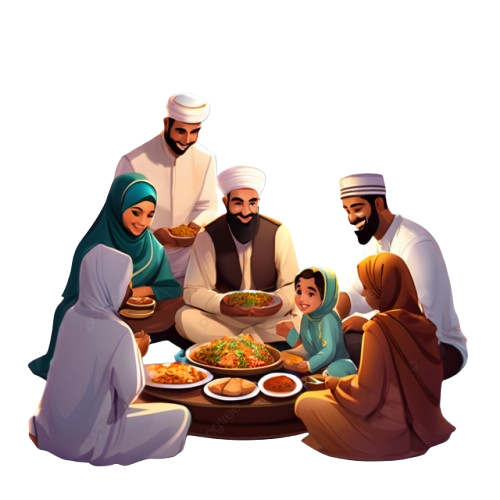
Fasting is one of the five pillars of Islam. During Ramadan, Muslims have one meal, known as suhoor (just before dawn), and another, known as iftar, directly after sunset.
“Do not fast until you see the crescent moon, and do not break your fast until you see it.”
For Reference Read More:
Reference: (Sahih al-Bukhari 1909, Sahih Muslim 1081)
Like all the other Islamic months, Ramadan begins and ends with the sighting of the moon. It is a holy time of the year during which it is said that the gates to hell are closed and the gates of paradise are opened. It is a time to give up bad habits and observe the holy month with prayer and faithful intention. The month then concludes with Eid al- Fitr.

Recommended Acts For Ramadan
Here is what you should do during Ramadan according to the Islamic guidance:
- Give Zakat if it is due on you
- Abstain from all the haram things
- Increase your dhikr
- Have suhoor even if you are not fasting
- Make dua before iftar
- Search for Laylatul Qadr in the odd nights of the last ten days of Ramadan.
For Reference Read More:
˹Fast a˺ prescribed number of days. But whoever of you is ill or on a journey, then ˹let them fast˺ an equal number of days ˹after Ramaḍân˺. For those who can only fast with extreme difficulty, compensation can be made by feeding a needy person ˹for every day not fasted˺. But whoever volunteers to give more, it is better for them. And to fast is better for you, if only you knew.
(Al-Baqarah, 2: 184)
Duas for the Three Phases (Ashras) of Ramadan
Add the below-mentioned duas to your daily dhikr routine and gain the blessings of the month of Ramadan.
The First Ashra of Ramadan ( Ashra of Mercy)
رَّبِّ اغْفِرْ وَارْحَمْ وَأَنتَ خَيْرُ الرَّاحِمِين
“My Lord, forgive and have mercy, and You are the Best of those who show mercy.”
The first ashra of Ramadan lasts from the 1st to the 10th. This ashra begins when the crescent moon is sighted, and the Almighty showers Muslims with abundant mercy and blessings.
The Second Ashra of Ramadan (Ashra of Forgiveness)
اَسْتَغْفِرُ اللہَ رَبِّی مِنْ کُلِّ زَنْبٍ وَّ اَتُوْبُ اِلَیْہ
"I seek forgiveness from Allah for all my sins and turn to Him."
These are the days of Maghfirah. The second ashra of Ramadan continues from 11th Ramadan to 20th Ramadan. The Muslims ask for forgiveness and repent to Allah, ensuring not to fall for the same sin again.
The Third Ashra of Ramadan ( Days of Seeking Refuge)
اَللَّهُمَّ أَجِرْنِي مِنَ النَّار
"O Allah, save me from the fire (Jahannam).."
The last 10 days and nights of the third ashra hold great importance. Laylatul Qadr (The Night of Power) is one of the most sacred nights in the last 10 days of Ramadan.
Allah's Apostle said, "Search for the Night of Qadr in the odd nights of the last ten days of Ramadan."
Sahih Bukhari
Volume 3, Book 32, Number 234
Stay Consistent on Your Faith Journey with Deenly
The First Dawah and Muslim Lifestyle App of North America.
Essential Acts of Worship for Ramadan
Daily Fasting (Obligatory/Fard)
Fasting is a pillar of Islam. Every Muslim of the right age must fast in the month of Ramadan. The fast begins at Fajr and ends at Maghrib.
Key Guidelines for Observing Fast:
- Recite the Holy Quran
- Donate to charity
- Include foods in suhoor that release energy slowly
Note: Fasting hours vary worldwide due to differences in location and season.
Five Daily Prayers (Obligatory/Fard)
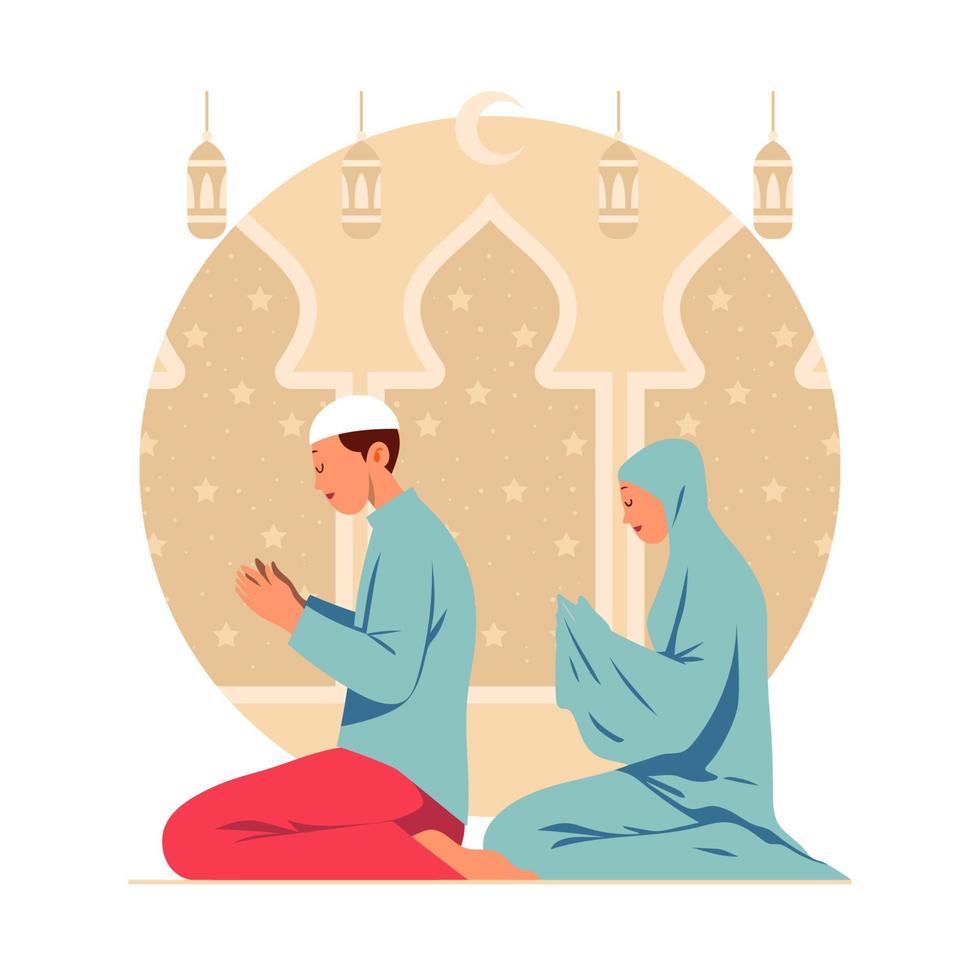
Prayer serves as a direct connection between Muslims and Allah (SWT). So, strengthen your relationship with Allah by maintaining five daily prayers. Offer Fajr, Dhuhr, Asar, Maghrib, and Isha throughout Ramadan.
Ways to Increase the Blessings of Prayer:
- Perform prayers early in their time window.
- Apply attar (also called ittar) before salah, particularly for men.
- Blessings are multiplied for those who pray with sincerity.
Taraweeh Prayers (Highly Recommended)
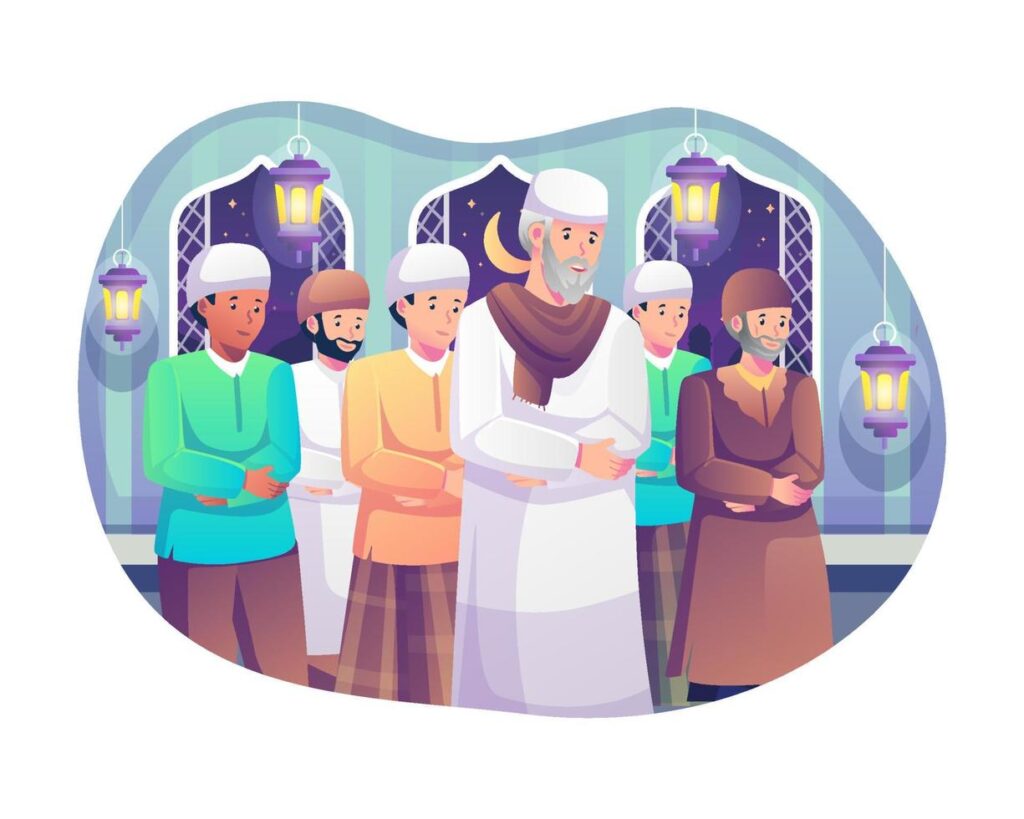
Taraweeh is a voluntary prayer that carries huge rewards. It is prayed after the Isha prayer and before the Fajr prayer. It is not only the source of reward by Allah Almighty but also has spiritual and physical benefits.
The Spiritual Impact of Taraweeh Prayers:
- The long and peaceful prayer session allows us to reflect on our relationship with Allah (SWT).
- Through self-discipline, it urges us to prioritize our spiritual obligations.
- The communal Taraweeh prayers strengthen a sense of unity and community.

Seek Laylat Al- Qadr (Highly Recommended)
Laylatul Qadr, also known as the Night of Power, falls within the final 10 days of Ramadan. Angel Jibreel revealed the first verses of the Holy Quran to the Prophet Muhammad (PBUH).
How to Seek the Rewards of Laylatul Qadr:
- Earn immense rewards by donating and spending time in supplication.
- It is a time to broaden one’s religious knowledge to draw closer to Allah.
- You can also reconnect with Allah through I’tikaaf and focus on performing good deeds.
Laylatul Jaizah (The Night of Rewards)
Lailatul Jaiza, meaning “The Night of Reward,” is truly a special occasion. This evening resembles a divine graduation ceremony for those who dedicated the month of Ramadan to fasting, prayer, and acts of charity. It is the night when Allah bestows blessings and rewards upon His servants who gave their time, energy, and devotion in sincere worship.
Here’s how to make the most of Lailatul Jaiza:
- Perform Tahajjud and Salaat-ul-Tasbih
- Make sincere Dua and give Zakat al-Fitr
- Evaluate your actions over Ramadan and set intentions for personal and spiritual growth for the rest of the year.

Pay Zakat Al-Fitr (Obligatory)
Zakat al-Fitr is a specific form of charity given at the end of Ramadan. It is a mandatory charitable donation made by every Muslim regardless of wealth or status.
Zakat al-Fitr Explained:
- Zakat al-Fitr purifies one’s fast.
- It must be paid in Ramadan before the Eid prayer.
- It is a way to help people experiencing poverty and need.

Download App
Never Miss a Moment of Ibadah
Get Your Daily Reminders with Deenly.


Support Deenly
Never Miss a Moment of Ibadah
Get Your Daily Reminders with Deenly.
Download App
Support Deenly
Frequently Asked Questions
The groups of people who scholars agree are not required to fast during Ramadan are (1) the elderly, (2) women who are pregnant, nursing, and/or menstruating, (3) people travelling, (4) those who are stricken with an illness, and (5) those who are forced to break their fast out of coercion.
Fasting (Sawm) during Ramadan, one of the five pillars of Islam, is obligatory for all healthy adult and adolescent Muslims from the age of 12 years.
Known as the “Night of Power,” it falls on one of the odd-numbered nights in the last 10 days of the third Ashra (21st, 23rd, 25th, 27th, or 29th). It is considered better than 1,000 months of worship.
The word ‘Ashra’ is an Arabic term that means ‘ten’ in common usage. As we all know, the holy month of Ramadan lasts 30 days. It is also divided into three Ashras, each with a specific name, features, and qualities.
Allah (SWT) has divided the Holy month of Ramadan into three stages, known as the Ashra of Ramadan. The importance of Mercy during these ten days cannot be overstated. Ramadan is all about forgiveness and renewal, and these ten days are a prime opportunity to reap the benefits of this transformative period.